
What if I told you that trying to fit in, is stopping you from fitting in; from truly belong? Many believe that to be valued and accepted, you must conform and be like everyone else, especially in social settings like with friends, family, and colleagues. But this need to be the same to belong creates a lack of authenticity, which I for one hate. It’s emotionally exhausting for you, trying to pretend to be something that you’re not and it’s boring and hollow for everyone else trying to connect with the pretend you. Lack of authenticity creates distress, emptiness, low self-worth and anxiety. It’s time to stop pretending so you can create genuine relationships.
How often have you held back and just nodded politely, or agreed to something you didn’t want, just to fit in? How did that make you feel afterward? What if embracing your true self could lead to deeper, more meaningful connections and a true sense of belonging?
In this blog, we’ll uncover why authenticity is crucial for forming genuine connections, explore the hidden costs of pretending, and provide actionable steps to embrace your true self. Learn how being authentic leads to deeper relationships and boosts your self-worth.
The Price of Pretending- Your Relationships
Suppressing your true self to fit in, comes at a high cost emotionally, socially and personally. Putting on a pretence to fit in can feel like the low-risk way to gain acceptance but it often backfires. Imagine being out with your friends. You want to join in and share your opinions and experiences, but you worry what others will think. Will they agree or will they judge you? Feeling vulnerable you say nothing and are left feeling disappointed, frustrated and criticising yourself. Instead of engaging in natural, meaningful interactions, you’re preoccupied with monitoring your behaviour to fit in. This leads to presenting a false version of yourself, preventing others from truly knowing you. As a result, relationships lack depth and trust, leaving you feeling isolated and unsupported when you need connection the most.
The Price of Pretending- Your Self-Worth
Feeling unsupported and disconnected can affect your self-esteem. Lucy told me about her experience at her friend’s engagement party: she nodded along, laughed at the right moments, and politely participated in conversations she found dull. As interactions fizzled out, she was left standing alone, feeling anxious, and self-conscious. Comparing herself to those who seem to be having more fun, she worried others found her boring which was deeply upsetting.
These shallow, polite exchanges made Lucy feel uninteresting and isolated. Pretending and .hHiding her true self to fit in created inauthenticity and prevented genuine relationships, leading to low self-worth and emptiness.
The Price of Pretending- Your Identity
Constantly trying to fit in means you’re forever playing chameleon, adjusting yourself to fit every scenario. It’s impossible to be everything to everyone, and this effort is both exhausting and stressful. The fear of failing to maintain the pretence leads to anxiety and burnout. By not being your authentic self and pretending, you miss out on genuine connections with people who would truly appreciate you. For example, John loved reading and had wanted to join a book club but feared it would make him seem geeky. Through our sessions, he discovered that his love for books revealed his creativity, open-mindedness, and curiosity. Embracing these traits was a turning point for him. By joining the book club, he found himself surrounded by people who shared his interests. Doing something that he loved with people with similar interests allowed him to be himself, and at the end of therapy, it was incredible to reflect on the transformative growth in his confidence and depth of relationships he gained.
Revealing the Real Reasons Behind Conformity: Why Pretending Undermines Genuine Relationships
The need to conform is rooted in low self-esteem. Societal pressures and cultural norms create standards for what’s considered acceptable—like academic success, social confidence, or certain lifestyles. When these expectations clash with your values and needs, it can make you feel inadequate and flawed. The fear of rejection and judgment and resulting isolation and loneliness, drives you to suppress your true self in an attempt to gain acceptance and avoid the distress of being different.
These internalised expectations, often voiced as “I should…” or “I must…,” originate from childhood experiences with influential figures like parents, teachers, and peers, as well as media and educational systems. The implicit and explicit message that being like everyone else is desirable, can distort your sense of self-worth
Maslow’s Hierarchy of Needs helps to explain why this is so impactful. We all want to get to the point of self-actualisation as this is where we are happy, our actions and lifestyle align with our values and needs, we feel fulfilled and have a sense of purpose. You’re living big and loving it! To achieve this, you need your basic needs for safety, love, and self-esteem to be met. Conforming is a misguided attempt to meet these needs for belonging and validation. It’s not your fault that you seek validation this way; it’s a natural response to the societal pressures that shape our desires and fears.
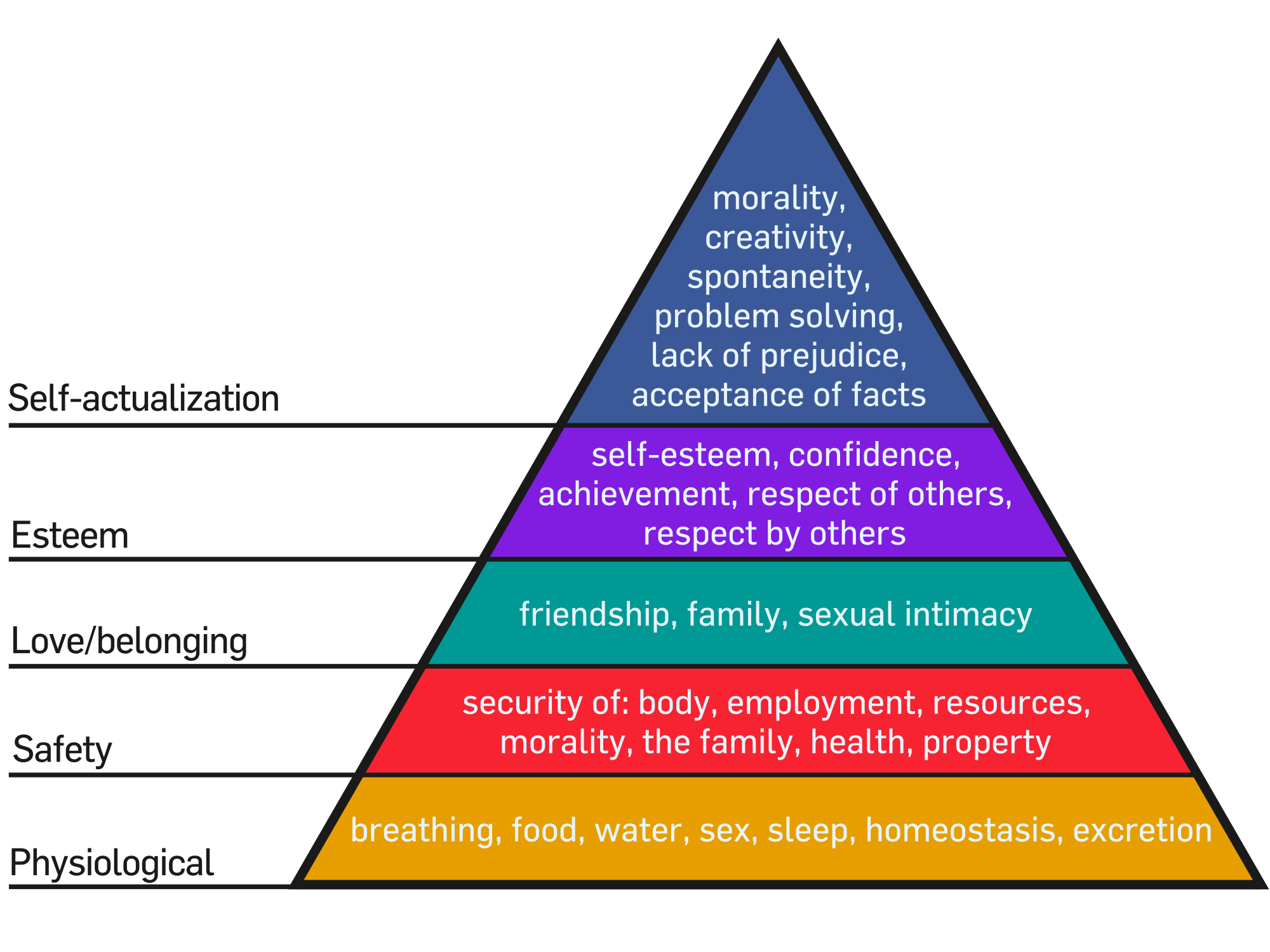
Maslow’s Hierarchy of Needs Pyramid by Sue McLeod is licensed under CC BY-SA 4.0. Available at Wikimedia Commons: https://www.simplypsychology.org/maslow.html
According to a study published in the Journal of Personality and Social Psychology, up to 75% of people feel pressured to conform to societal norms, even when it conflicts with their personal values. These societal pressures are exploiting our need for belonging and self-esteem, leading to anxiety, self-doubt, and a diminished sense of self. Over time, these hidden costs—such as lack of self-trust, low self-esteem, and fear of failure—can accumulate, creating anxiety and a loss of knowing who you really are.
Stop Pretending: Actionable Tips for Building Genuine Relationships and True Belonging
True belonging comes when you stop pretending and you’re valued for your authentic self. Superficial belonging results from conforming to fit in. And you’ll know when you’re found true belonging because often goes unnoticed because it feels natural and effortless, whereas trying to fit in makes you hyper-aware and self-conscious. True belonging allows you to let go, to be unfiltered and to take risks knowing you will be accepted. There is a trust of yourself and others frees you from the constant self monitoring, enabling you to be present and engaged. It’s so freeing! When you’re authentic, people are magnetised and drawn to you, fostering meaningful connections.
For example, under Steve Jobs, Apple’s value surged from $2 billion to $350 billion in just 14 years. Jobs wasn’t just an innovator; he built deep, genuine, connections with his team, creating a culture of trust and authenticity. His commitment to staying true to himself, rather than conforming, inspired a strong, cohesive team and bolstered Apple’s reputation as trustworthy.
Understanding the power of genuine belonging is just the beginning. To build and maintain these authentic connections, here’s a snapshot of three key strategies my clients find effective for fostering meaningful relationships:
- Define your authentic self: start by figuring what truly matters to you- what are your core values and passions? Take a moment to jot down what you care about most and see how you can weave these into your daily life.
- Build Authentic Connections: find and connect with people who genuinely appreciate you for who you are, whether by joining clubs that match your interests or starting conversations with those who share your values.
- Set Boundaries and Practice Self-Care: Learn to set limits on what you’re willing to do to meet others’ expectations and make self-care a priority, like taking time for yourself or practicing mindfulness, to keep your true self intact and thriving.

Stop Pretending and Start Connecting: How to Build Genuine Relationships and Live Authentically
Developing an authentic, deep and trusting relationship with yourself, can empower you to create the same authentic, meaningful connections with others. It’s a simple concept that I’ve seen hundreds of people work hard on and create something amazing! Starting therapy with crippling low self-esteem, never feeling enough, distrusting others for fear that they’ll leave because of their inadequacy—these individuals couldn’t even consider the idea that someone would find them attractive, funny, and engaging. Cut to 3 months later, confidently going on dating apps and first dates and 6 months later they’re in a happy relationships for the first time in their life and their confidence and self-worth has skyrocketed to something beyond what they thought possible! Their entire outlook on life shifted creating sense of empowerment and fulfilment. And this isn’t just an isolated occasion. I’ve had the joy of supporting countless people on that journey. True fulfilment and belonging comes when you find it within yourself and you are authentically you. It sounds cliched but it’s transformational!
Remember, this isn’t about trying to be what others what and expect you to be. That’s a misconception. The people who are available to create meaningful connections, want you to be yourself. They want to know and connect with the real, authentic you. And so do I.
So, what about you?
Ready to create fulfilling connections, being confidently and authentically you so you can live big?
Let’s start your transformative journey together, right now.
I’m ready when you are.
Drop me an email and share one aspect of your life where you feel you’re not being true to yourself, and I’ll personally help you find a way to change that.